

Growing Lettuce in Fall: How to Start Your Own Salad Greens
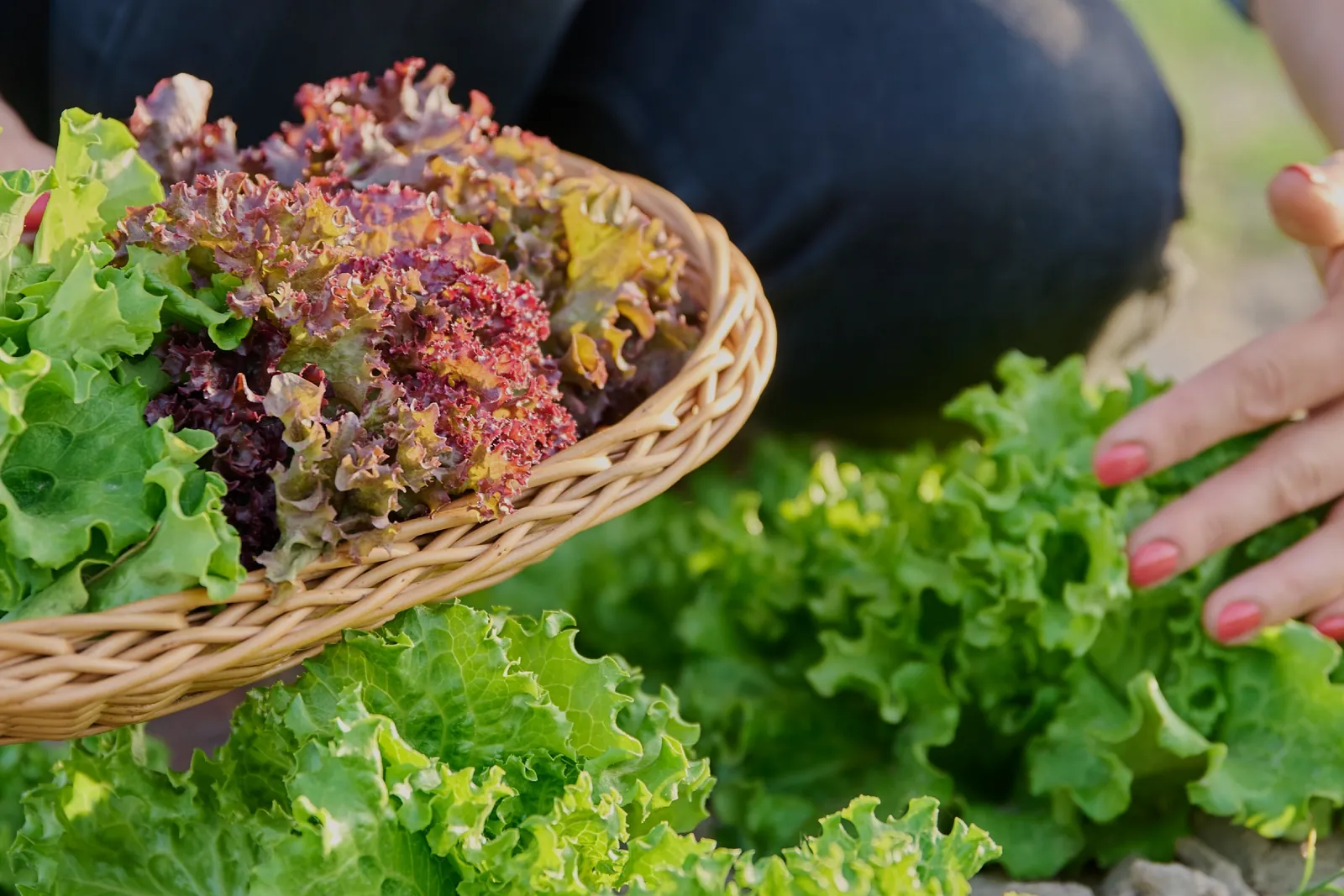
You've probably seen the headlines. Bagged iceberg lettuce had a rough summer, with a multistate recall making the news. We're not a food-safety brand, and we won't tell you a backyard garden is immune to anything. No one can promise that. What growing your own does give you is a shorter path to your plate: you know the water it got, the hands that touched it, and how long it sat before you ate it. For a lot of people, that's reason enough to try.
The good news is that lettuce is one of the easiest crops a first-time gardener can grow, and fall is the right season to start it.
Why fall is lettuce season
Lettuce is a cool-season crop. It grows best between 50 and 68°F. In summer heat it bolts, which means it turns bitter and goes to seed. That's why lettuce does so well when you sow it as temperatures start to drop.
When to plant lettuce in fall
Look up your average first fall frost date, then count back 6 to 8 weeks. That's your sowing window. If that date is still ahead of you, you're in time.
Our lettuces are ready for a full harvest about 55 to 65 days from planting. You don't have to wait for the whole head, though. Once the outer leaves are big enough to eat, pick those and let the center keep growing.
What you need to start
You don't need raised beds, grow lights, or a greenhouse. Lettuce is forgiving.
- Some sun. Salad greens grow well with 4 to 6 hours of sunlight a day. If fall is still warm where you live, a little afternoon shade helps.
- Loose, well-draining soil. A garden bed, a raised bed, or a container with drainage holes all work. Mix 1 to 2 inches of compost into a bed before planting. In a container, use potting mix instead of garden soil.
- Even moisture. Water in the morning when the top inch of soil feels dry, and water deeply and evenly when you do. Consistent moisture keeps the leaves tender and mild.
- Room to grow. Sow seeds ⅛ to ¼ inch deep. Once seedlings come up, thin loose-leaf lettuce to 6 to 8 inches apart so each plant can fill out.
The easiest way to start: one bundle
If you're not sure which seeds go together, start with a bundle. That's the whole idea behind them: plant a garden, not twenty packets.
Our Cool Weather Seed Bundle is built for this season. It's 20 seed packets of crops that grow best in the cooler weather of spring and fall, including lettuce, spinach, arugula, radishes, carrots, broccoli, and cabbage.
For the full salad bar, the Salad Lovers Bundle has 26 packets. Sow the three lettuces, arugula, spinach, and radishes this fall, then plant the tomatoes, cucumbers, peppers, and corn after your last spring frost.
Lettuce varieties to plant this fall
If you'd rather build your own mix, these are good picks for a fall start:
- Black Seeded Simpson Lettuce: fast-growing loose-leaf lettuce with a mild flavor and no bitterness
- Lolla Rosa Lettuce: frilly red leaves with a tender, mild flavor
- Romaine-Parris Island Lettuce: tall, crisp leaves and the classic choice for a Caesar salad
- Rocket Arugula: peppery and quick, ready in about 35 to 45 days
- Viroflay Spinach: not a lettuce, but its large, tender leaves belong in any fall salad bed
The part that's in your control
We're home gardeners too, so we won't oversell this. What growing your own lettuce gives you is a short supply chain. You plant it, you water it, you pick it, and it's on your plate the same day. For a lot of people right now, that's worth the small effort it takes.
Ready to start? Check your frost date, pick up the Cool Weather Seed Bundle, and get seeds in the ground while the window is open.
For seasonal planting reminders like this one, sign up for our newsletter at the bottom of this page.